“Teach us to number our days, that we may gain a heart of wisdom.” —Psalm 90:12
For many, April brings relief. The tax return is filed. The documents are submitted. The deadline has passed. After weeks of gathering information and making decisions, it’s tempting to move on and not think about taxes again until next year. But after the deadline, what tax season reveals about your financial plan should not be missed.
Tax season is more than a deadline—it’s a window.
It provides a clear view into your financial life: how your plan is functioning, where adjustments may be needed, and how effectively your resources are being stewarded.
No one likes surprises at tax time. If you encountered some unwelcome surprises, now is the time to seize the opportunity to use this window to clearly see how you can improve future tax seasons.
At Stewardship Advisory Group, we encourage clients not to close the door on tax season—but to learn from it.
What Your Tax Return Is Telling You
Your tax return is more than a summary of numbers. It’s a reflection of decisions made throughout the year.
It answers questions like:
- How efficient was your income strategy?
- Were your investments positioned well from a tax standpoint?
- Did your giving align with your goals?
- Were there surprises—either positive or negative?
- Often, what stands out most is not what went according to plan—but what didn’t.
Unexpected tax bills, missed opportunities, or underutilized strategies can all signal areas for improvement.
And that’s not a setback—it’s insight.
From Reaction to Intention
One of the most common patterns we see is reactive decision-making. Adjustments are made late in the year—or after the fact—when options are limited.
But effective stewardship is proactive.
April is the ideal time to shift from:
Filing → Planning
Looking back → Looking forward
Reacting → Strategizing
Because many of the most effective tax strategies must be implemented during the year, not after it.
Key Areas to Revisit After Tax Season
This is a strategic moment to evaluate a few important areas:
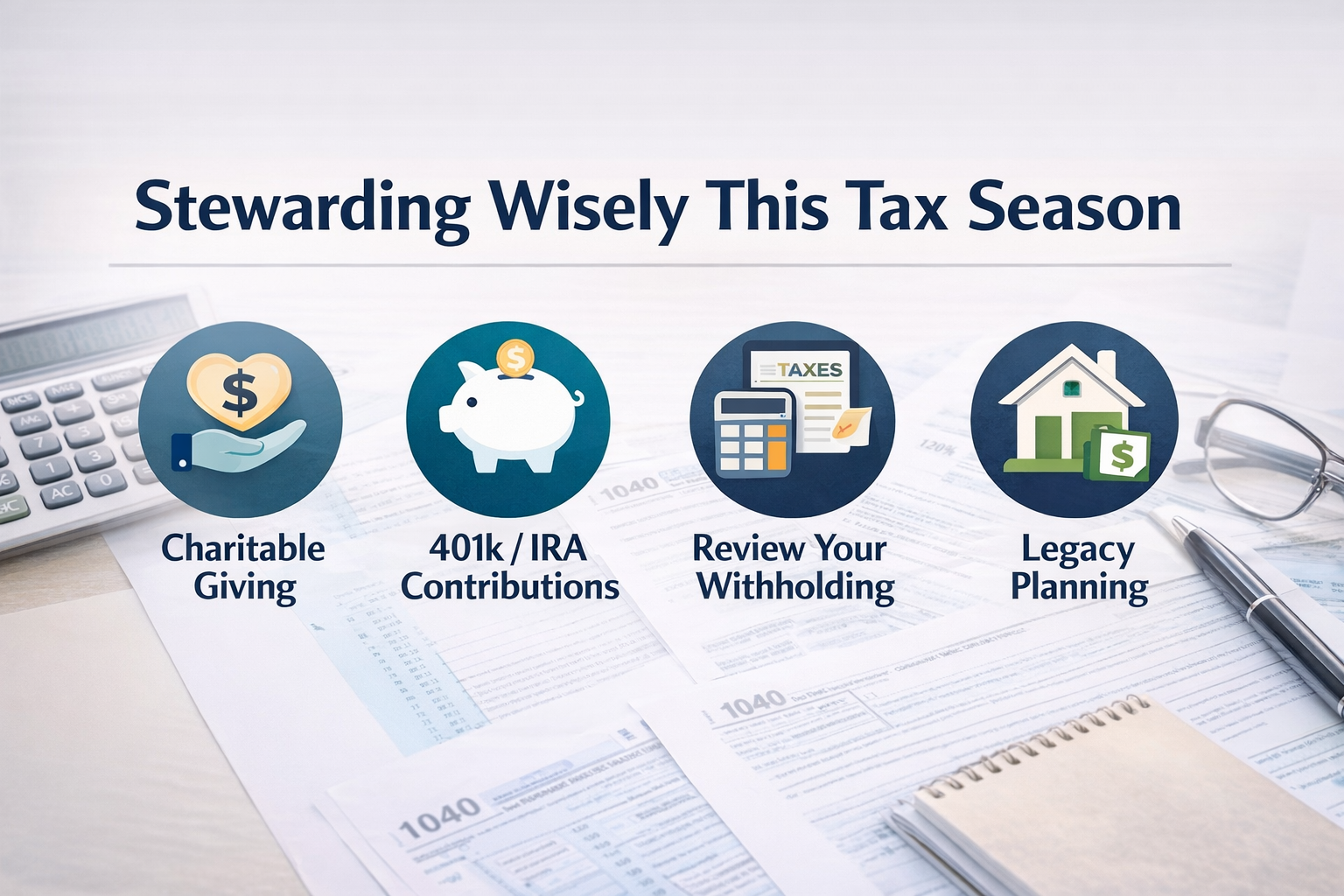
1. Income and Withholding
Did you owe more than expected? Or receive a larger refund than planned?
Either scenario may indicate misalignment. Adjusting withholding or estimated payments now can improve cash flow and reduce surprises next year.
2. Investment Tax Efficiency
Were there unexpected capital gains? Missed opportunities for loss harvesting?
Investment strategy and tax strategy should work together—not independently.
3. Charitable Giving Strategy
Was your giving intentional—or reactive?
Strategic giving, including the use of appreciated assets or planned contributions, can enhance both impact and efficiency.
4. Retirement Contributions
Were all available opportunities fully utilized?
Tax-advantaged accounts play a significant role in long-term planning and should be reviewed annually.
5. Legacy and Estate Alignment
Did your tax outcome reflect your long-term goals?
Tax planning is closely tied to legacy planning. Decisions made today affect what you ultimately pass on.
The Value of a Mid-Year Strategy
Waiting until year-end to make changes often limits your options. Starting now gives you time to implement meaningful adjustments.
A proactive approach allows you to:
- Spread decisions throughout the year
- Reduce last-minute pressure
- Improve overall efficiency
- Align your plan with both financial and personal goals
In many ways, April is not the end of tax season—it’s the beginning of smarter planning.
Stewardship That Looks Ahead
Scripture reminds us that wisdom comes from intentional reflection. Taking time to evaluate, adjust, and plan is not just practical—it is faithful stewardship.
Financial clarity does not happen by accident. It is built through thoughtful decisions over time.
At Stewardship Advisory Group, our role is to help you:
- Interpret what your tax season revealed
- Identify opportunities for improvement
- Build strategies that work year-round
- Align your finances with your values
Because the goal is not simply to file accurately—it is to plan wisely.
Moving Forward with Confidence
As you move beyond the April deadline, consider this season an opportunity—not a conclusion.
The most effective plans are not built in a rush. They are refined through reflection and strengthened through intention.
And when your financial strategy is proactive rather than reactive, it brings not only efficiency, but peace.
Yours for Faithful Stewardship,
Jeff Rogers, CEP®, CKA®